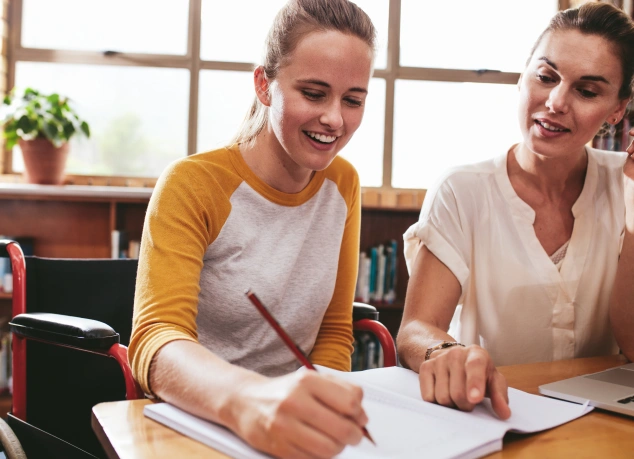
What are the Core Components of Inclusion?
Inclusion combines systematic planning with its underlying core components to achieve successful post-secondary outcomes.
Inclusive Learning Environments
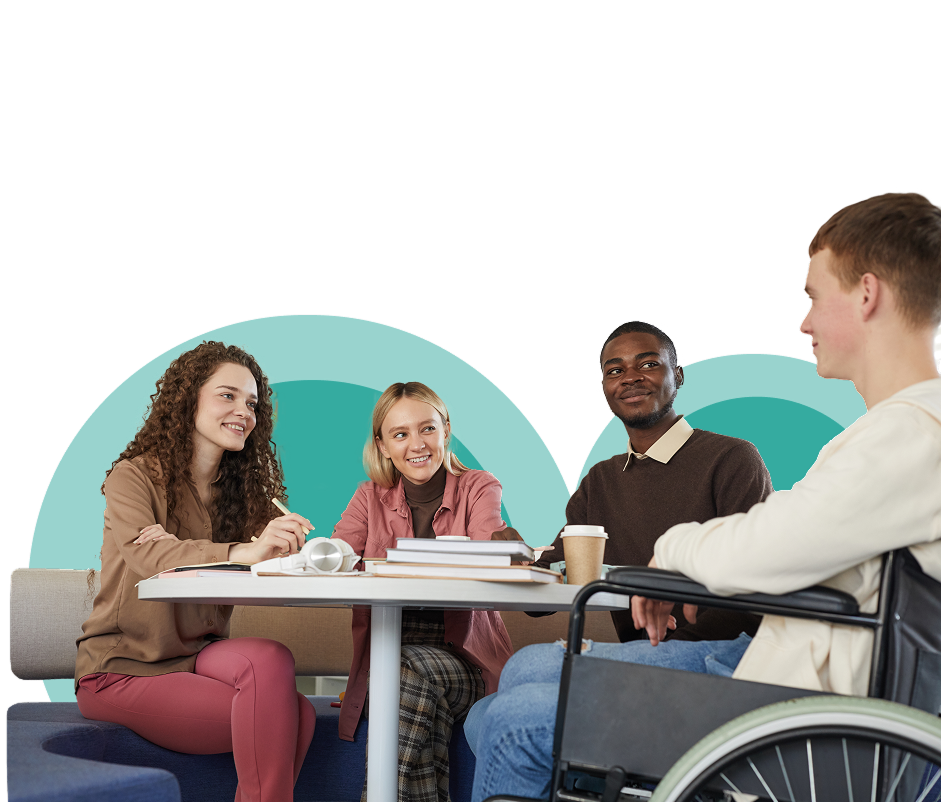
Under the Inclusion transition practice, students with disabilities receive general education with their non-disabled peers to the greatest extent possible.
Equitable Instructional Strategies
Staff employ strategies and supports to meaningfully involve all students with disabilities in the general education curriculum with peers without disabilities.
Collaborative Support Systems
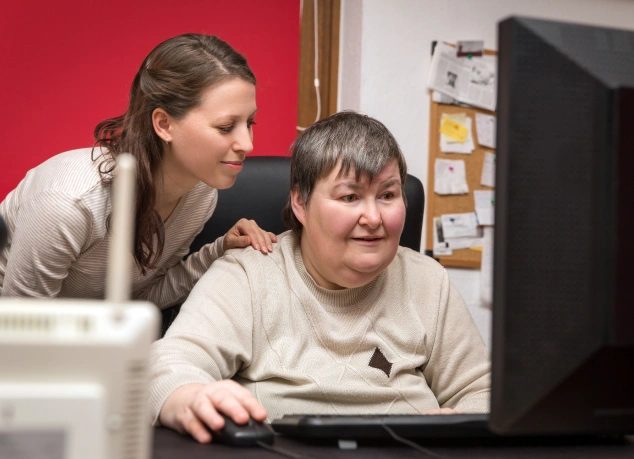
Students with disabilities are only removed from regular classrooms if their needs cannot be met satisfactorily with supplementary aids and services.
How Does Inclusion Impact Outcomes Related to IEP Transition Goals?
Research on Inclusion’s effectiveness helps students, families, educators, and counselors achieve meaningful transition.
Citations
Citations
Citations
Who are the Key Partners in Inclusion?
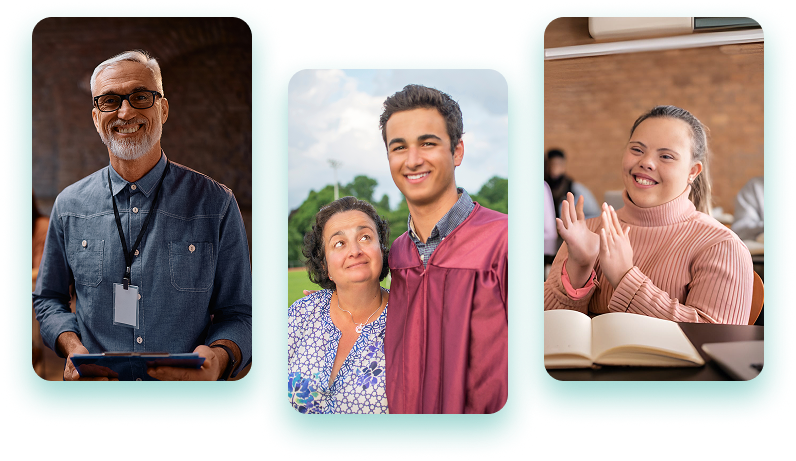
Inclusion requires dedicated collaboration from students, their peers, families, educators, counselors, and secondary transition professionals for successful postsecondary outcomes
(e.g., speech-language pathologists, OTs, PTs, school psychologists, behavior analysts)
(e.g., principals, assistant principals, special education supervisors)
Inclusion means more than access; it’s about active participation, support, and belonging. When students with disabilities learn alongside peers in general education settings, they gain essential skills for independence, postsecondary education, and future employment in real-world and appropriate environments.
Inclusion Resources
Browse through our resources for help and guidance in your Inclusion journey. For more links go to our resources page here: