Self Determination
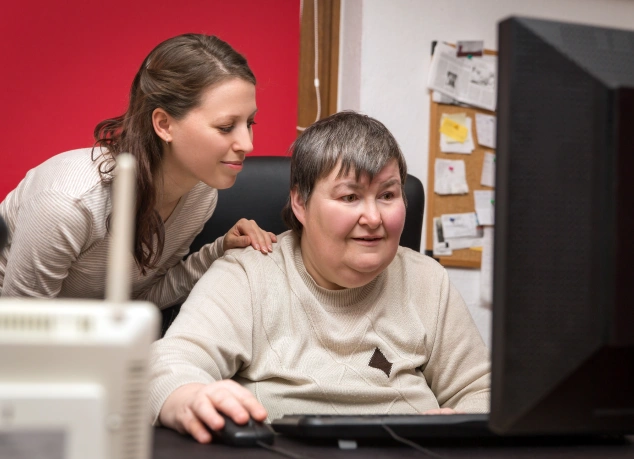
Equipping students with the skills, resources, and support to confidently navigate postsecondary independent living and employment while addressing their needs and goals.
Learn More
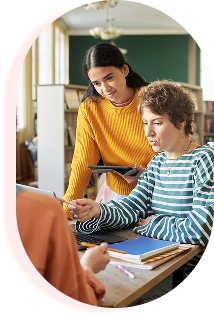




Equipping students with the skills, resources, and support to confidently navigate postsecondary independent living and employment while addressing their needs and goals.
Learn More

Self-determination refers to a person's ability to control their own life. In the context of students with disabilities, self-determination involves developing skills and attitudes that allow them to:

Make choices and decisions about their lives

Set goals and take steps toward achieving them

Advocate for themselves and their needs

Take responsibility for their actions and learning
What are the Core Components of Self-Determination?
Students’ ability to:

Goal Planning
Create a plan to achieve self-set goals, considering current and future life factors, including strengths, needs, and preferences.

Effective Communication
Effectively communicate their plan to the relevant transition team and circle of support.

Action Implementation
Implement a plan to achieve their self-generated goals.
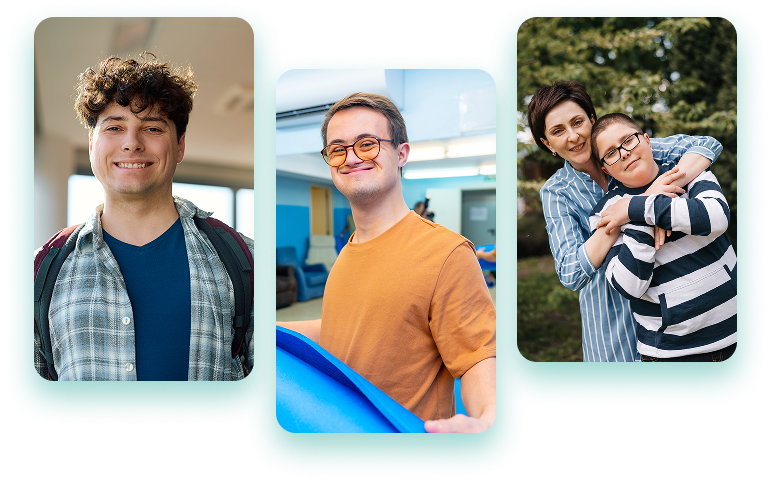

Self-determination is more than just a skill; it’s the foundation of independence and confidence. When students with disabilities learn to set their own goals, make choices, and advocate for themselves, they gain the power to shape their futures on their own terms. This journey isn’t always easy, but with support from families, educators, and communities, every student can develop the strength and resilience to take control of their life path.



How Does Career and Technical Education (CTE) Impact Outcomes Related to IEP Transition Goals?
For example..
Citations
For example..
Citations
For example..
Citations